
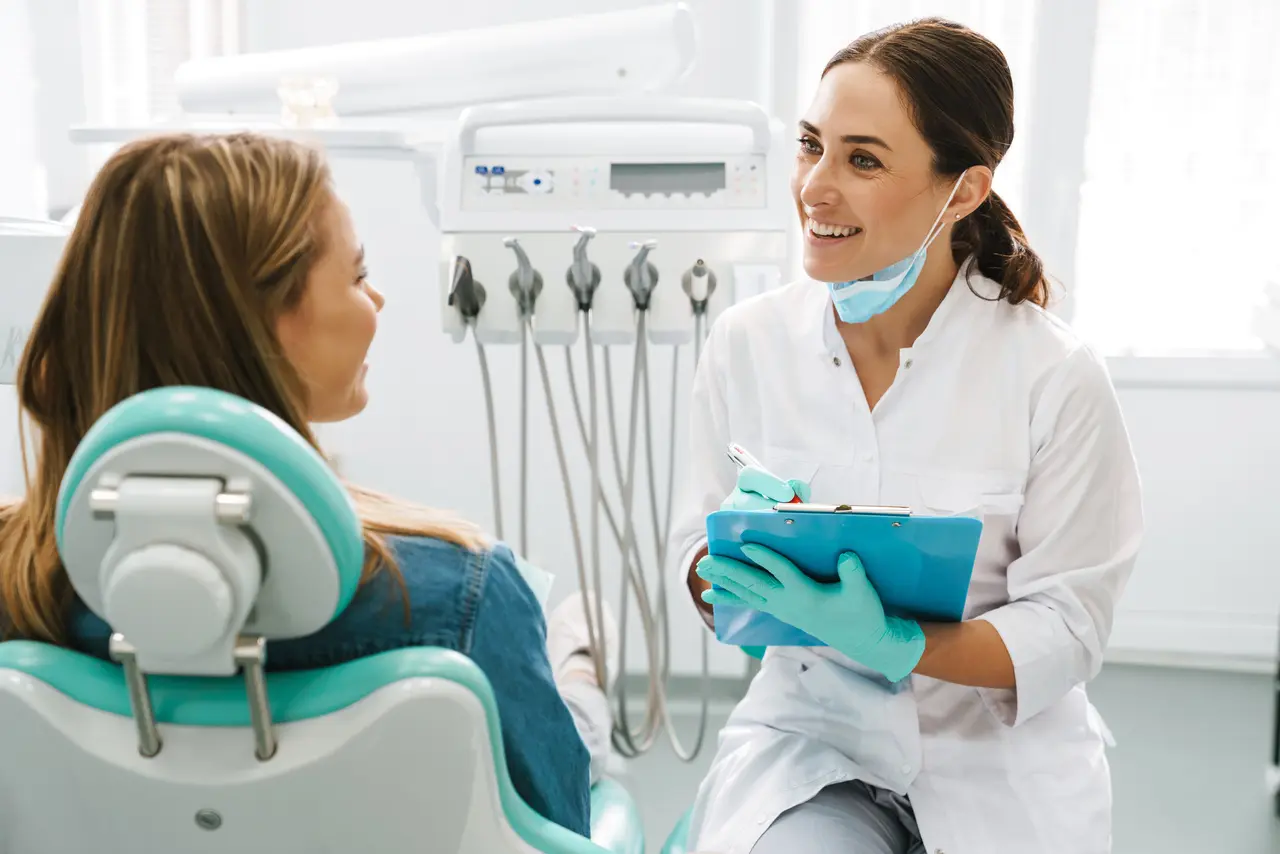
What Is PRP Therapy and How Does It Work in Dentistry?
PRP therapy starts with a simple blood draw — the same amount taken for a routine lab test. That blood is placed in a centrifuge, which spins it to separate the platelet-rich plasma from red blood cells. The concentrated platelets, which contain natural growth factors, are then activated and applied directly to the surgical site.
How Platelet Rich Plasma Is Prepared at Your Appointment
The entire process happens in our office during your visit. A small amount of blood is drawn from your arm, and the centrifuge separates the PRP in about 15 minutes. No special prep is needed on your part. Once prepared, the PRP is either injected into the treatment area or placed into a surgical site like a tooth extraction socket or bone graft.
Which Dental Procedures Benefit Most from PRP?
PRP is most commonly used with dental implants and bone grafting. It also supports healing after periodontal treatment, oral surgery and tooth extractions, and any procedure where faster soft-tissue or bone healing is desirable.
Benefits of Platelet Rich Plasma Dental Treatment
The value of PRP lies in what it does for your recovery — shorter downtime, less discomfort, and stronger long-term results.
Natural Healing From Your Own Biology
Because PRP uses your own blood, there is zero risk of allergic reaction or disease transmission. The concentrated growth factors signal your body to send healing cells to the area faster than it would on its own. That means less swelling and a reduced chance of complications.
Why Decatur Patients Choose PRP as Part of Their Care Plan
Patients opting for platelet rich plasma dental treatment at Signature Smiles Studio want the most predictable outcomes. If you are already investing in a dental implant or graft, adding PRP is a small step that can make a real difference in how quickly you feel back to normal. Dr. Spaulding will discuss whether PRP is appropriate for your specific procedure.
PRP Therapy vs. Standard Healing After Dental Procedures
To help you understand the difference, here is how PRP compares with healing without it, particularly when combined with bone grafting.
PRP Therapy and Bone Grafting: How They Work Together
Bone grafting rebuilds jawbone that has deteriorated, creating a solid foundation for a dental implant. PRP accelerates the graft’s integration by delivering concentrated healing factors directly to the site.
| Feature | PRP Therapy | Bone Grafting Alone |
|---|---|---|
| Purpose | Accelerate healing and reduce inflammation | Restore bone volume for implants |
| Source material | Patient’s own blood | Donor, synthetic, or patient’s own bone |
| Healing support | Growth factors jump-start tissue repair | Graft material acts as a scaffold; body heals at its own pace |
| Typical use case | Adjunct to implant, graft, or extraction | Primary procedure for bone deficiency |
| Used together? | Yes — PRP is often placed directly into the graft site | N/A |
When you are considering dental implants, combining PRP with bone grafting can mean a smoother recovery and better early integration. Your consultation with Dr. Spaulding will clarify what makes sense for your situation.
What to Expect During PRP Therapy at Signature Smiles Studio
You do not need to worry about extra appointments or complex preparation. PRP is added to your existing treatment visit.
The PRP Process Step by Step
1. Blood draw — We take a small sample from your arm.
2. Centrifuging — The sample spins to separate the PRP (about 15 minutes).
3. Activation — The concentrated platelets are prepared for application.
4. Application — Dr. Spaulding places the PRP into the surgical site.
Recovery and What Patients Notice After Treatment
Most patients report less swelling and discomfort than they expected. The surgical site may look pink and healthy sooner because the growth factors are already at work. You will follow the same post-op instructions for your primary procedure — just with a faster recovery timeline.
Frequently Asked Questions About PRP Dental Therapy
Is PRP therapy covered by dental insurance?
PRP is often considered an elective adjunct, so many insurance plans do not cover it separately. We will review your benefits and give you a clear cost estimate before we begin. CareCredit and Cherry financing are also available.
Does PRP therapy hurt?
The blood draw feels like a quick pinch. The PRP application itself is done under local anesthesia at the surgical site, so you should not feel any added discomfort.
How long does it take to see results from platelet rich plasma dental treatment?
You may notice less swelling within the first two days. The deeper healing — bone and soft-tissue regeneration — continues over the following weeks and months.
Is PRP safe for dental procedures?
Yes. Because it uses your own blood, there is no risk of cross-contamination or allergic reaction. PRP has been used safely in dentistry and medicine for decades.
Can PRP be used with dental implants?
Absolutely. In fact, that is one of its most common applications. Dr. Spaulding frequently applies PRP during implant placement and bone grafting to support osseointegration and reduce recovery time.